ENGINEERING BLOG
Modular Hot-Swappable Smartphone Power Unit
A fully engineered smartphone enclosure integrating a card-based swappable battery architecture, intelligent charging control, and embedded protection systems for uninterrupted mobile power delivery.
- Power Electronics
- Embedded Systems
- C++
- Battery Management
- Hardware Product Design


Problem Space
Smartphones remain constrained by fixed internal batteries, forcing users into downtime during charging cycles. Existing power banks introduce cable dependency, increased bulk, and inconsistent power delivery.
A modular power architecture was implemented to eliminate charging downtime by enabling instant battery replacement without removing the phone enclosure or interrupting usage.
System Concept
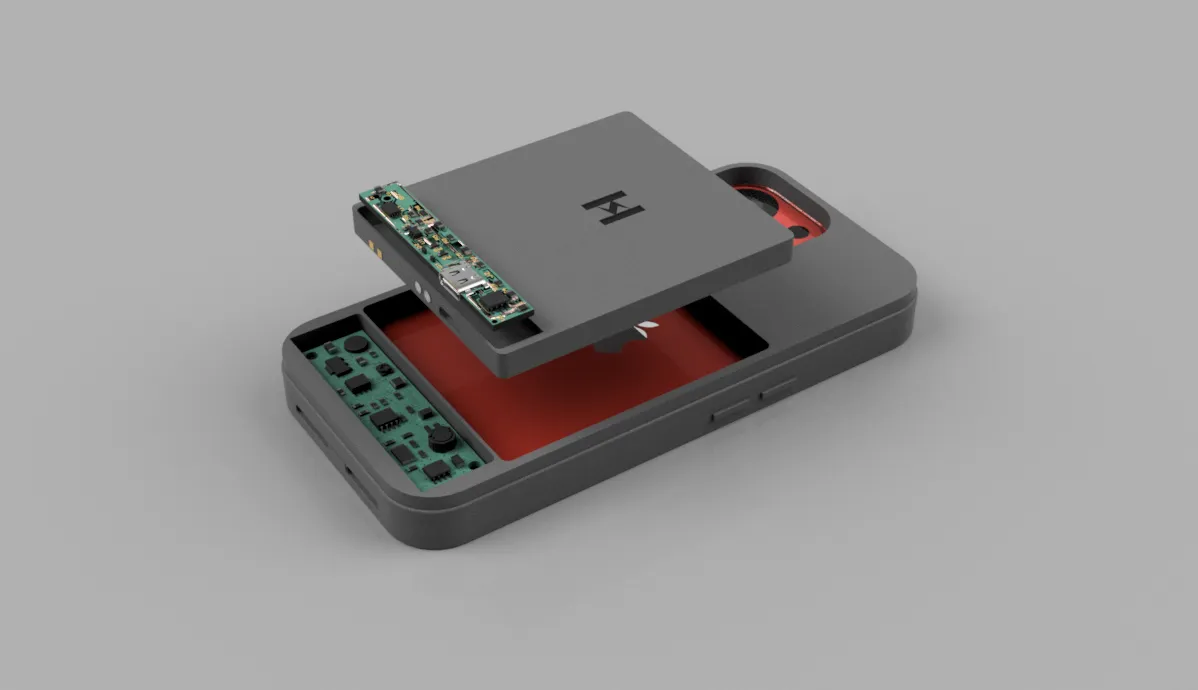
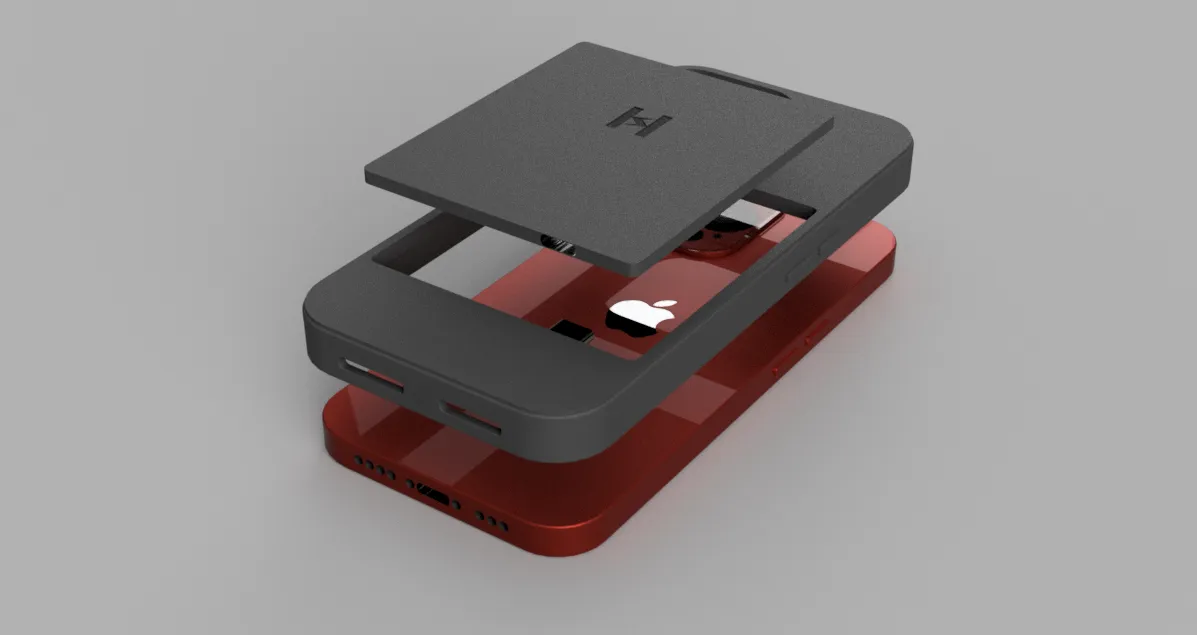
The system introduces a credit-card-sized battery module that can be inserted into a dedicated slot within a smartphone enclosure. When the active battery depletes, it can be replaced instantly with a charged unit.
- Hot-swappable battery cards
- Parallel usage and charging workflow
- Zero device downtime
- No enclosure removal required
System Architecture
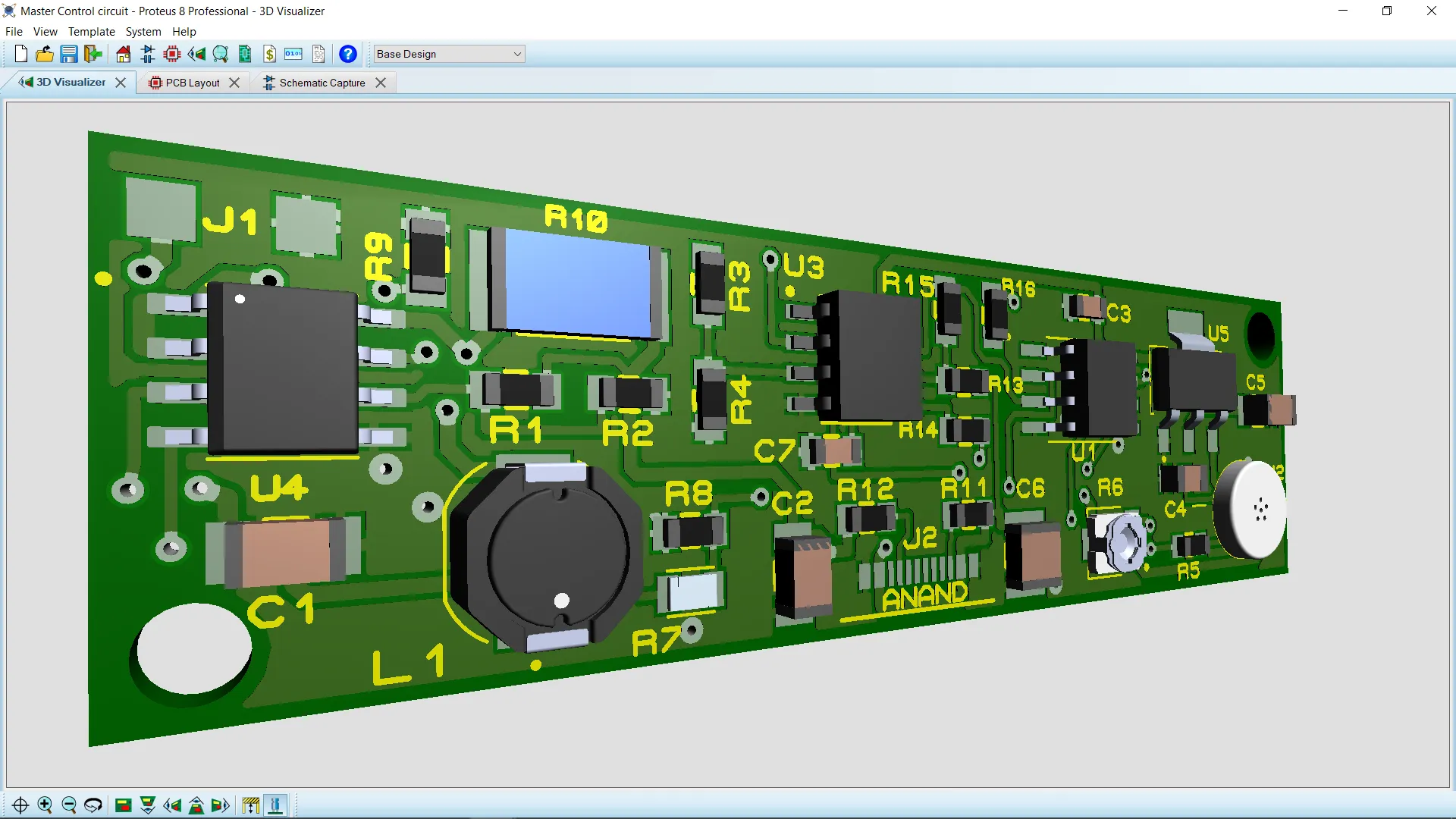
The architecture integrates charging, regulation, protection, and output delivery into a compact embedded system:
- Charging Layer: CC/CV lithium-ion charging using TP4056
- Regulation Layer: Stable voltage output using AMS1117 LDO
- Protection Layer: Multi-stage battery protection logic
- Control Layer: Application-driven charging strategy
The charging system implements a complete protection chain including overcharge, overcurrent, short circuit, and thermal safeguards embedded into the battery path.
Power Electronics Design
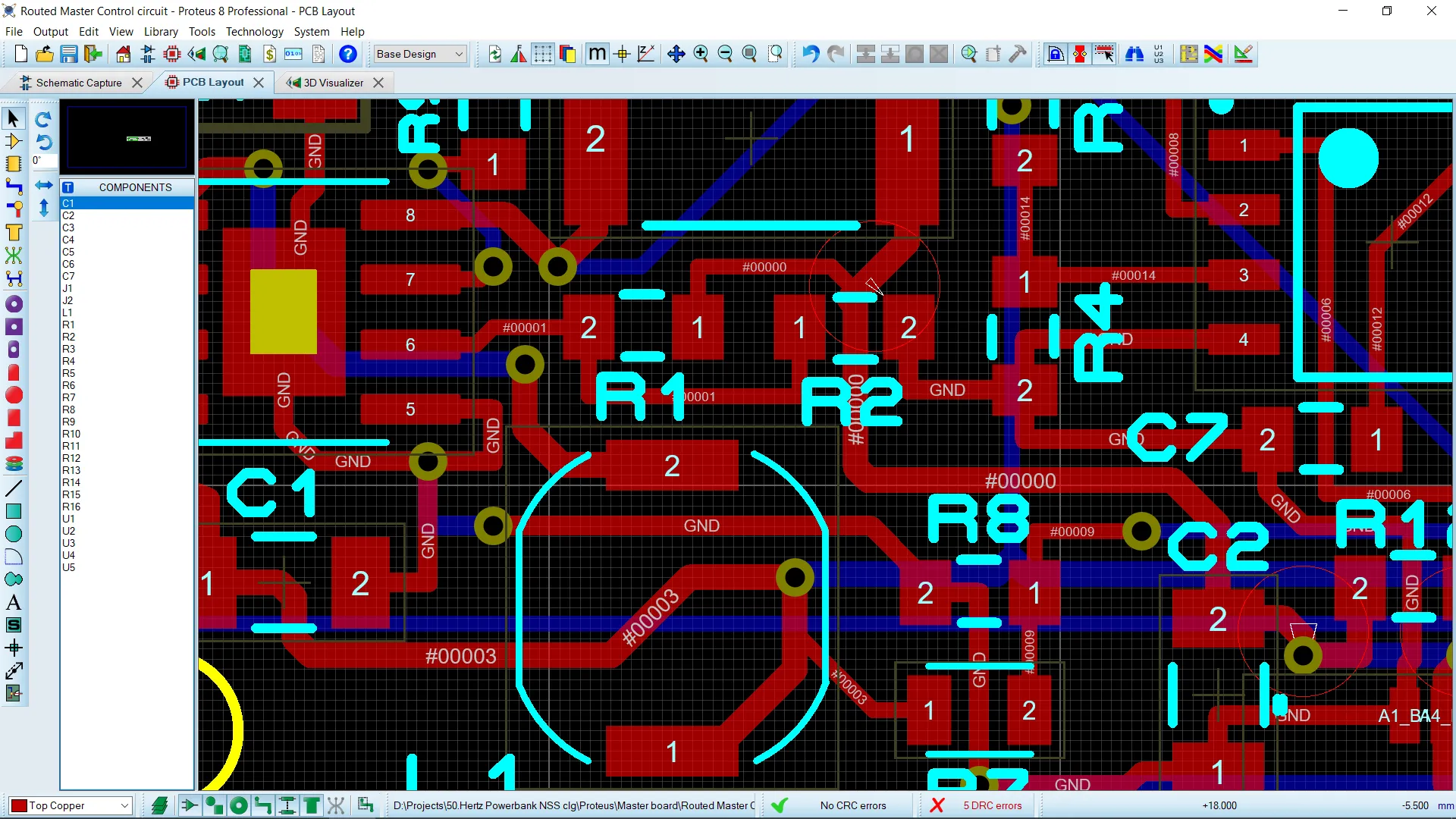
The charging subsystem is built around a constant-current/constant-voltage architecture using TP4056, enabling linear charging with automatic termination, thermal regulation, and programmable current control.
Output regulation is handled using AMS1117 low-dropout regulators capable of delivering stable output with low dropout characteristics and internal current limiting.
- 4.2V regulated charging voltage
- Programmable charge current up to 1A
- Thermal shutdown and current limiting
- Stable regulated output (5.1V)
Battery System
The system uses dual Li-Po battery modules (3.7V nominal), each designed as a removable card:
- Capacity: 5000mAh × 2
- Total energy: 18.5Wh × 2
- Rated output current: 2A (peak up to 5A)
The battery pack integrates adaptive charging, dynamic load monitoring, and ultra-low power standby behavior to ensure consistent performance.
Protection & Reliability
The system implements layered protection across both charging and discharging paths:
- Overcharge protection
- Overcurrent protection
- Short circuit protection
- Deep discharge protection
- Thermal protection
This ensures safe operation under dynamic load and environmental conditions.
Power continuity is achieved not by faster charging, but by eliminating the need to wait for it.
Software Integration
The system includes an application layer that enables configuration of charging behavior and system policies:
- Charge scheduling control
- Adaptive charging strategies
- Status monitoring and feedback
- Algorithm-driven battery optimization
Communication between the hardware and application layer enables intelligent control over charging cycles and improves battery lifespan.
Operational Flow
The device operates as a continuous power system:
- Active battery supplies power to the smartphone
- Secondary battery remains in charging cycle
- Battery swap occurs without interrupting usage
- Charging logic maintains safe and optimal conditions
Engineering Outcome
A complete modular battery ecosystem was designed, implemented, and validated. The system integrates mechanical enclosure design, embedded electronics, and intelligent control systems into a production-oriented solution.
The implementation demonstrates strong capability across power electronics, embedded systems, and real-world product engineering constraints.